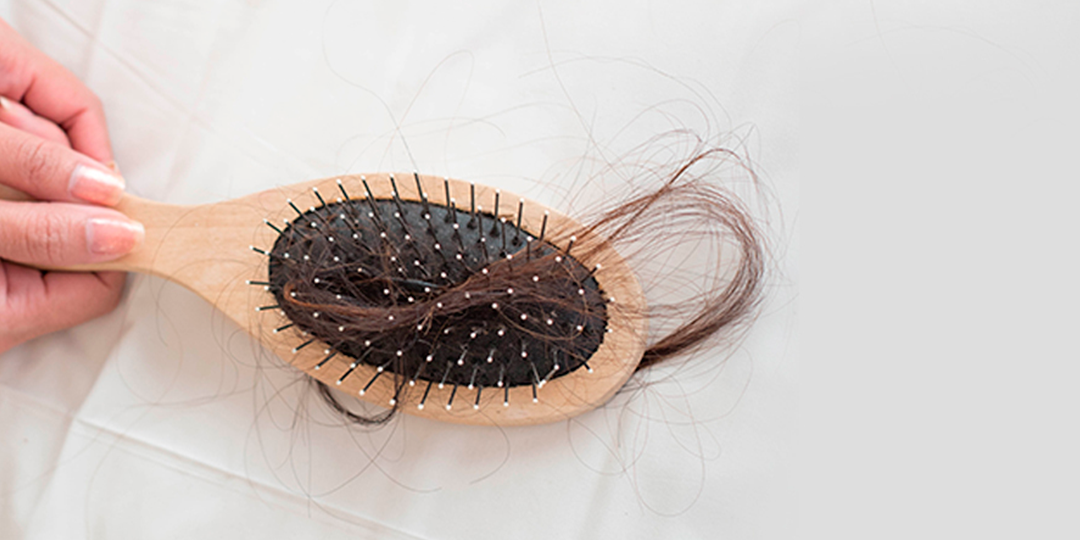
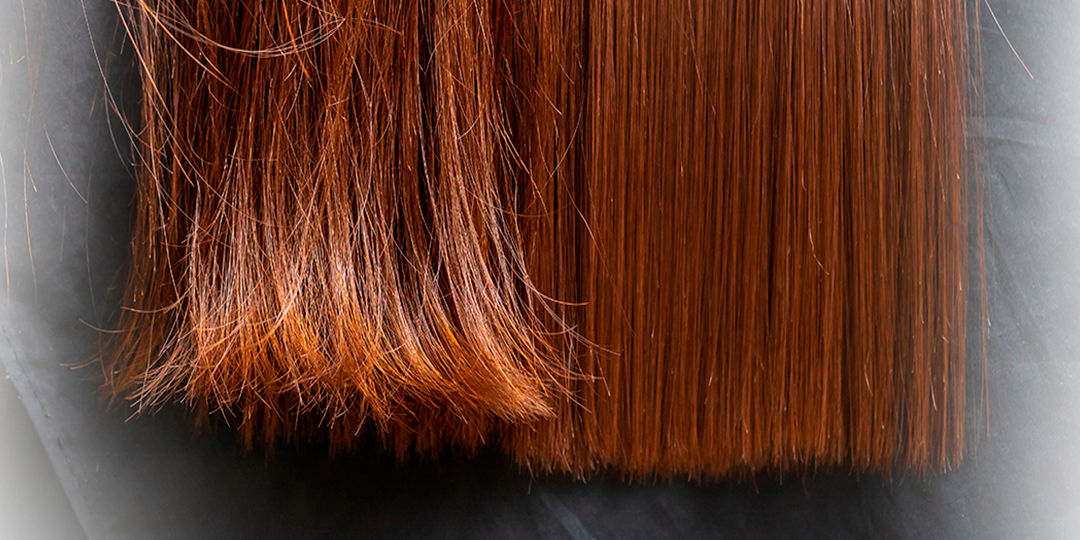
In some cases, hair loss can be a natural process, but it can also indicate underlying health issues.
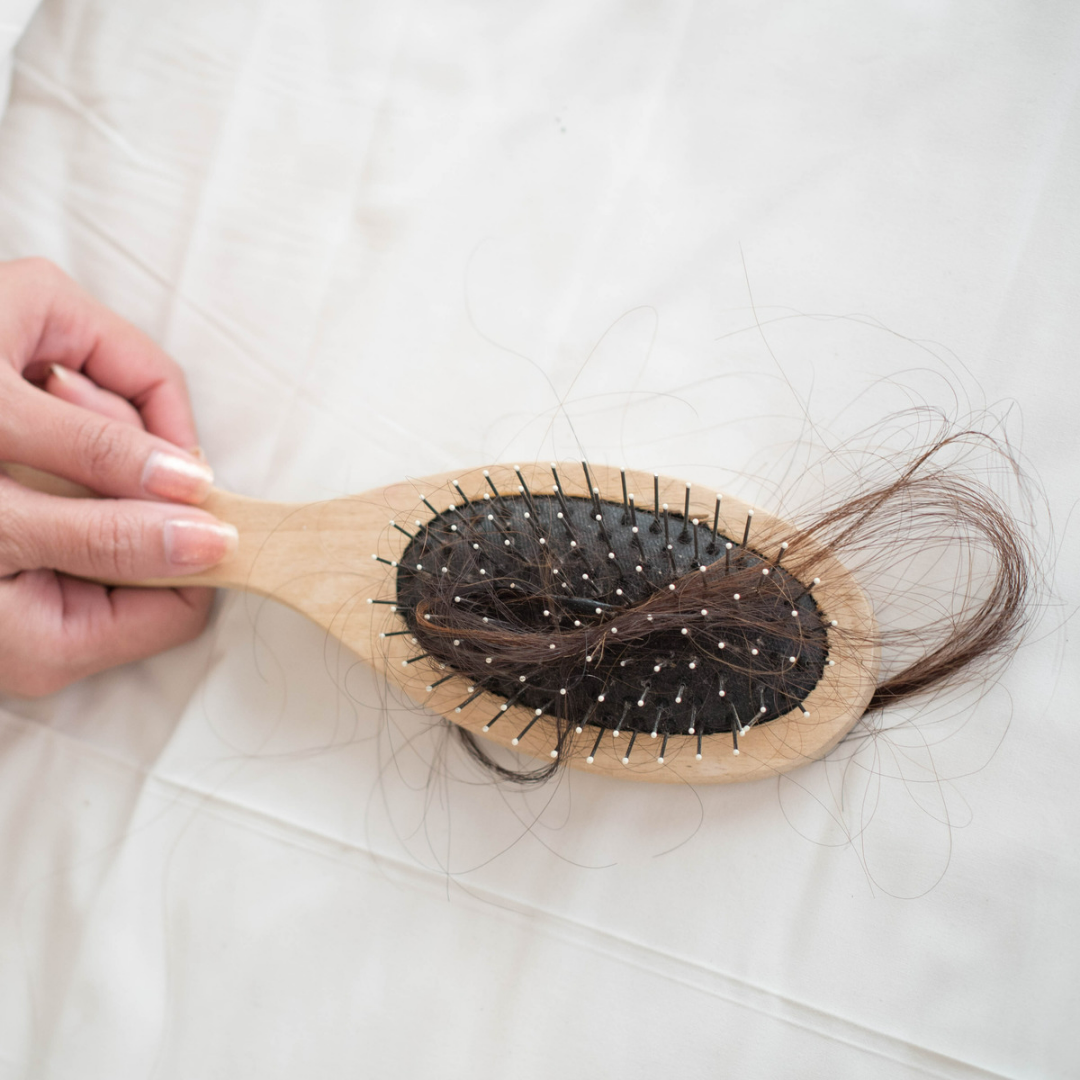
Your hair is constantly falling out and you don't know why? Get to know the main causes and symptoms of hair loss in this article.

5 MAIN CAUSES
OF HAIR LOSS
1. Genetics
Androgenetic alopecia is one of the main causes of hair loss, affecting both men and women. In these cases, genetic predisposition makes the hair follicles more sensitive to the action of hormones, such as dihydrotestosterone (DHT), leading to a reduction in the life cycle of the hair and progressive thinning of the strands.
2. Hormonal imbalances
Hormonal disorders such as hypothyroidism, hyperthyroidism and polycystic ovary syndrome (POS) can cause hair loss. In these situations, it is important to see a doctor to diagnose and treat the hormonal imbalance.
3. Stress
Physical or emotional stress can lead to temporary hair loss, known as telogen effluvium, as we explained in a previous article.Stress can cause hair to prematurely enter the resting phase of its growth cycle, resulting in more severe shedding after a few months.
4. Diseases
Some diseases, such as anaemia, lupus and scalp infections, can cause hair loss. Proper treatment of the underlying disease is critical to reversing this condition.
5. Medication
Hair loss can be a side effect of certain medications, such as antidepressants and anticoagulants. Consult your doctor if you suspect that your medication may be contributing to severe hair loss, in order to adjust the dose or suggest a therapeutic alternative.
Hair loss is a condition that affects many people and can have a variety of causes and symptoms. Identifying the cause is essential to finding the right treatment and preventing the problem from developing.